Biological Clock Effects: Timing Patterns in Football, Tennis and Horse Racing Outcomes
Clara Richter · Jun 29, 2026
Biological Clock Effects: Timing Patterns in Football, Tennis and Horse Racing Outcomes
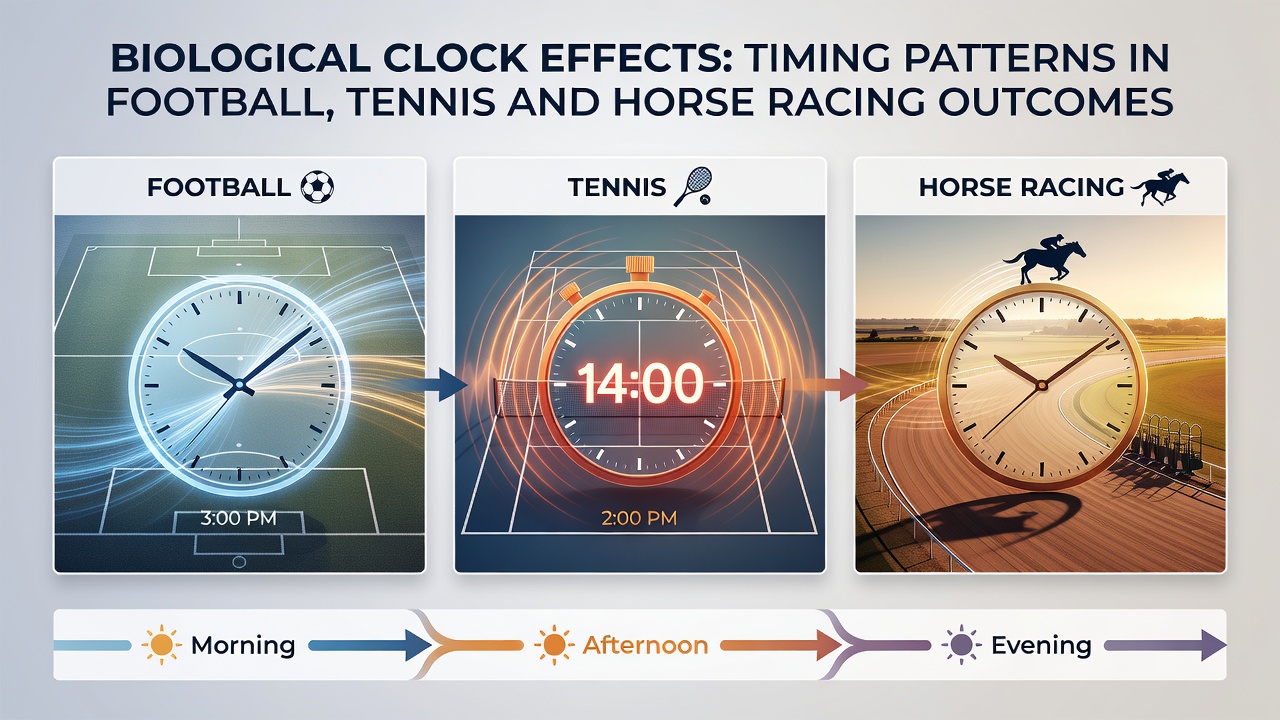
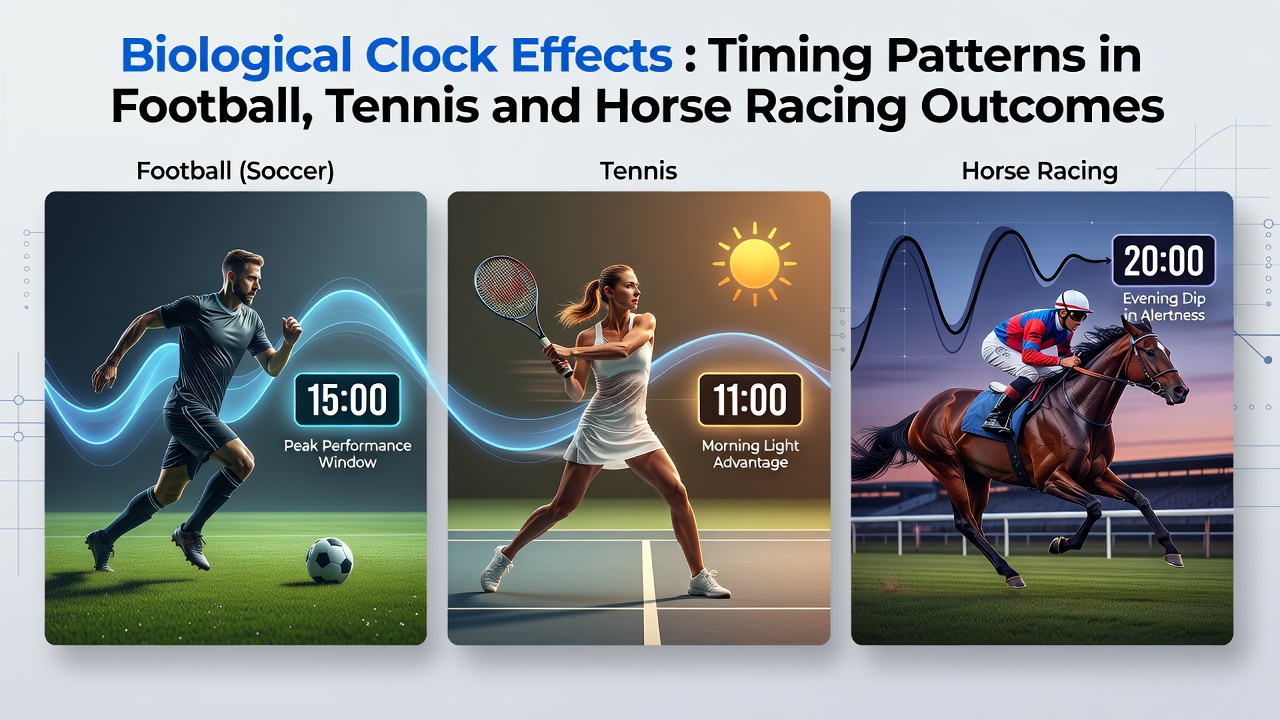
Research from sports science institutions highlights how circadian rhythms influence physical output, reaction times and recovery cycles in athletes and equine competitors, with data indicating measurable differences based on competition timing across football matches, tennis tournaments and horse racing events. Studies tracking performance metrics show that peak alertness periods often align with late afternoon hours, while early morning or late evening slots correlate with variations in speed, endurance and decision-making accuracy.
Football Match Scheduling and Circadian Influences
Football fixtures scheduled at different times of day reveal patterns where teams playing in the evening hours post higher goal tallies on average, according to analyses of league data spanning multiple seasons, while afternoon games tend to feature more conservative play styles linked to elevated core body temperatures during midday slots. Observers note that travel across time zones disrupts these rhythms, leading to adjusted training protocols that incorporate light exposure adjustments to realign player cycles before key matches.
Tennis Tournament Timing Data
In tennis, grand slam schedules place many marquee matches during afternoon and early evening windows, where serve speeds and rally durations show consistency with individual circadian peaks documented in player monitoring programs. Data from performance tracking systems indicates that later rounds extending into night sessions produce shifts in error rates, particularly among competitors whose natural alertness windows fall earlier in the day, prompting coaches to study opponent chronotypes during preparation.
Horse Racing Performance Across Race Times
Horse racing calendars position events from morning trials through evening meetings, and veterinary records combined with race result databases demonstrate that equine athletes exhibit speed variations tied to daily cortisol fluctuations, with stronger finishes often recorded in mid-afternoon races. Trainers adjust feeding and exercise routines to match these patterns, while shipping schedules that cross multiple time zones require extended acclimation periods to maintain competitive edges, as shown in industry reports from organizations like the Australian Sports Commission.
Cross-sport comparisons compiled by researchers at institutions such as the European College of Sport Science reveal overlapping trends where recovery intervals between events influence subsequent outcomes, particularly when athletes or horses compete outside their optimal circadian phases. Football players transitioning from daytime training to evening fixtures, tennis competitors handling back-to-back sessions, and racehorses adapting to twilight starts all display measurable adjustments in muscle function and cognitive processing that data logs capture consistently.
Seasonal and Event-Specific Patterns
June 2026 brings major tournaments and racing festivals where scheduling density increases, creating opportunities to examine how compressed calendars interact with biological timing factors across the three sports. Longitudinal datasets from these periods show that participants with flexible preparation windows maintain steadier output levels compared to those locked into rigid timetables, underscoring the role of individualized rhythm management in multi-event calendars.
Equipment and environmental variables interact with these internal clocks as well, since pitch conditions evolve throughout the day in football, court temperatures fluctuate during tennis schedules, and track surfaces change grip characteristics between horse racing heats. Performance analysts integrate these external elements with physiological data to forecast outcome distributions more precisely than schedule-blind models allow.
Recovery and Preparation Protocols
Teams and stables implement sleep tracking, nutrition timing and light therapy to mitigate disruptions, with documented cases showing improved consistency when protocols align activity peaks with competition windows. Such approaches draw from broader findings in chronobiology that apply equally to human athletes and horses, where melatonin regulation and body temperature curves follow predictable daily arcs.
Conclusion
Timing patterns rooted in biological clocks continue to shape results in football, tennis and horse racing through measurable effects on physiology and execution, with ongoing data collection refining understanding of these interactions. Scheduling decisions informed by such evidence allow participants to optimize preparation while governing bodies and organizers gain tools to balance commercial demands against performance realities across global calendars.