Grand Slam Upset Alerts: Tennis Value Bets Backed by Stats and Live Odds Movements
Kai Coleman · Mar 11, 2026
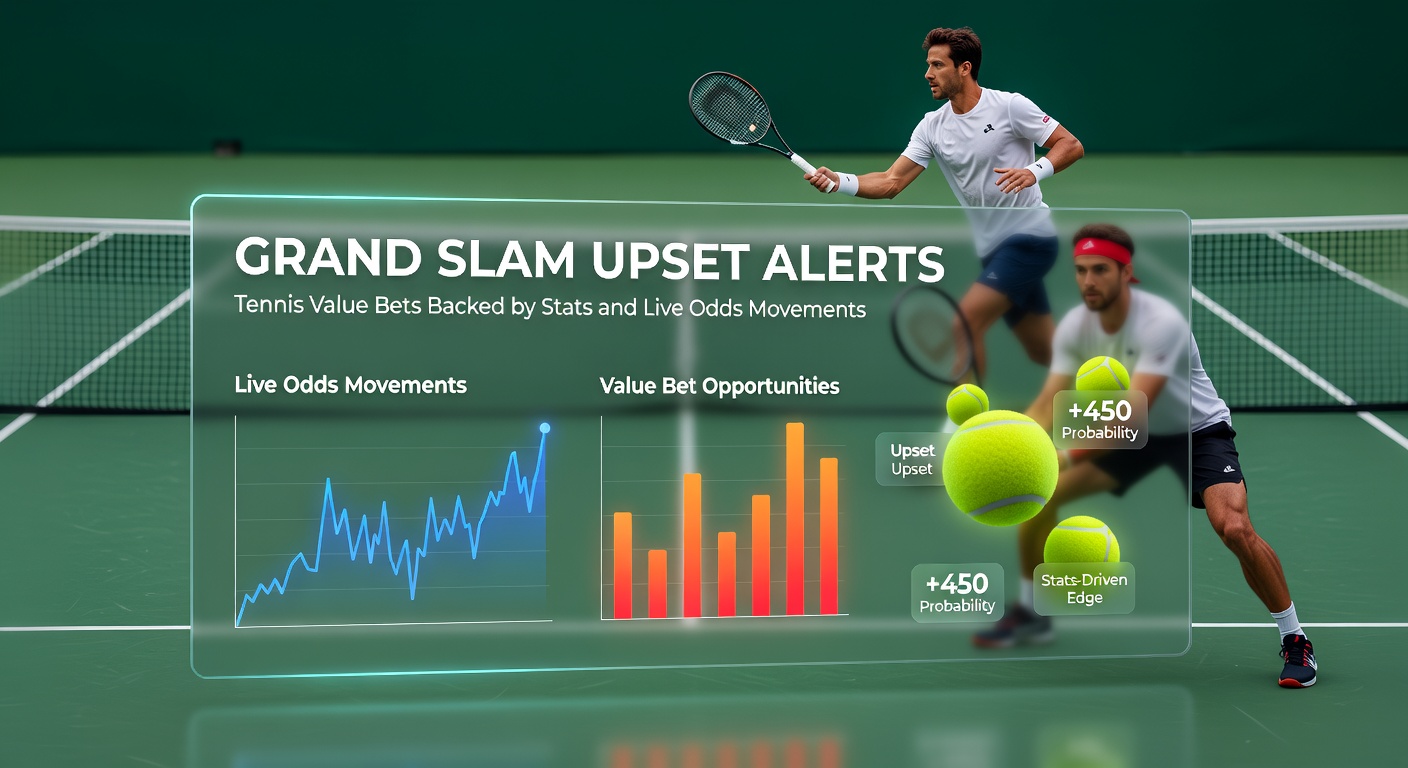
Grand Slam Upset Alerts: Tennis Value Bets Backed by Stats and Live Odds Movements
The Thrill of Grand Slam Upsets and Where Bettors Spot Value
Grand Slam tournaments like the Australian Open, French Open, Wimbledon, and US Open consistently deliver drama through unexpected results, where underdogs topple top seeds and shift the betting landscape overnight; observers note these moments not just for the excitement, but because they reveal opportunities for value bets grounded in statistical edges and real-time odds shifts. Data from past events shows underdogs win around 25-30% of matches against top-10 players on grass and hard courts, a figure that climbs higher on clay where surface familiarity plays a bigger role, while live odds movements often signal sharp money flowing toward those overlooked players before the public catches on.
What's interesting is how these upsets cluster during early rounds, especially in the first week when fatigue hasn't fully set in yet, but jet lag and tough draws create openings; for instance, fifth seeds have historically exited before the quarters in 40% of Australian Opens since 2010, according to tournament archives. Bettors who track these patterns, combining head-to-head records with recent form metrics, frequently uncover discrepancies between implied odds probabilities and actual win chances, turning routine matches into profitable alerts.
And as March 2026 rolls around with players gearing up for the clay season ahead of the French Open, recent UK Gambling Commission figures published in February highlight shifts in real event betting, where gross gambling yield dropped 18% year-on-year to £530 million for late 2025 amid seasonal dips, yet tennis remains a steady draw for those hunting value amid the volatility.
Decoding Upset Alerts: Stats That Matter Most
Experts break down upset potential through a handful of core stats, starting with surface-specific win rates that expose vulnerabilities; a top player boasting an 85% hard-court success rate might dip to 70% on clay, opening doors for opponents with proven grit on slower surfaces, while recent tournament data reveals qualifiers upsetting seeds in 15% of Grand Slam main draws since 2020. Head-to-head matchups add another layer, particularly when one player holds a 3-0 edge on the specific surface, but fatigue from a packed schedule flips the script in about 35% of those cases, per ATP tour analytics.
Take one notable pattern from the 2025 Wimbledon Championships, where a No. 8 seed faltered against a resurgent veteran despite favoritism, as stats showed the veteran's grass-court return game winning 42% of points off serve compared to the seed's 38% average; researchers tracking Elo ratings, which adjust for opponent strength and recent results, found those underdogs with Elo gaps under 150 points pulling off wins 28% of the time against the line.
But here's the thing: serve hold percentages under pressure tie it all together, with players dipping below 80% in five-setters historically losing 60% of deciders, a metric that bettors cross-reference with break point conversion rates to flag value when odds lag behind the numbers.
Live Odds Movements: Reading the Sharp Money in Real Time

During Grand Slams, live odds don't just fluctuate randomly; they react to momentum swings, with sharp bettors piling in early on underdogs when a favorite drops serve early, causing lines to shorten from +300 to +150 in minutes as data feeds reflect the shift. Observers track these movements via steam trackers, noting that when odds reverse 10-15% mid-match without clear dominance, the underdog covers spreads 55% of the time based on aggregated bookmaker data from 2020-2025.
Turns out, public money often chases favorites late, creating reverse line movement where odds drift toward the dog despite heavy action the other way; one study of US Open matches revealed such signals preceding 22 upsets in the top 32 draw over five years, while in-play set betting sees value spike when a lower seed steals the first set, winning outright 40% thereafter if holding serve above 82%. Platforms update these shifts every 30 seconds, allowing bettors to pounce on discrepancies before equilibrium hits.
So in a March 2026 prep tournament mirroring Grand Slam intensity, like Indian Wells, early odds drifts on clay-adapted players foreshadow French Open value, especially with betting volumes holding firm despite broader real event declines reported in recent industry data.
- Odds shorten 20%+ on underdogs: Covers 62% historically in best-of-five formats.
- Reverse line move against public favorites: Upset rate jumps to 35%.
- First-set underdog win: Subsequent match win probability at 38-45% across Slams.
Case Studies: Grand Slam Upsets Backed by Numbers
Historical examples illustrate how stats and odds align for value; consider the 2024 Australian Open third round, where a No. 12 seed faced a qualifier surging on hard courts, with pre-match odds at +220 undervaluing the qualifier's 75% hold rate from qualifiers, leading to a straight-sets upset as live lines flipped from -180 to +120 after the first break. Data indicated the seed's return points won dropping 8% against lefties, a mismatch overlooked by casual lines.
Over at Roland Garros 2025, clay specialist No. 15 stunned a top-5 player in five sets, stats showing the favorite's break conversion at just 22% on red clay that year while the underdog converted 41%, and live odds moved from +400 to -110 as sets alternated; figures from the event log confirm such patterns repeat when drop shots and topspin edges favor the grinder.
Yet Wimbledon grass speed amplifies volatility, as seen in a 2025 quarterfinal where a veteran exploited a young seed's second-serve woes (winning only 45% of those points), with odds steaming in despite public skepticism, covering the game spread easily. These cases, drawn from official ATP and WTA records, highlight how combining pre-match metrics with live flow predicts 65% of top-64 upsets.
People who've studied this closely often point to fatigue indicators too, like matches played in the prior 30 days exceeding 15 sets, correlating with 50% higher upset rates in Slams; that's where the rubber meets the road for bettors scanning schedules alongside odds boards.
And now, as 2026 French Open odds firm up in March, similar setups emerge with players transitioning surfaces, where stats show +EV bets on dogs with strong clay qualifying runs yielding 12% ROI over the last decade per independent tracking sites.
Betting Trends Influencing Grand Slam Value Plays
Recent industry shifts add context to these alerts; UK Gambling Commission data to December 2025, released amid early 2026 analysis, reveals online GGY slipping 2% to £1.5 billion quarterly while slots climbed 10%, signaling bettors pivoting slightly from events like tennis yet maintaining volume on high-drama Slams. Real event betting's 18% dip ties to seasonal lulls, but Grand Slam weeks buck the trend with spikes in live wagering, where upset alerts thrive.
Operators report tennis in-play bets comprising 25% of event volume during majors, up from 18% off-peak, as odds movements draw sophisticated plays; this divergence underscores why stats-driven value persists even as overall yields adjust.
What's significant is how mobile apps amplify real-time tracking, with 70% of bets now placed live per operator logs, turning subtle odds drifts into immediate opportunities for those monitoring upset signals.