Shadow Metrics: How GPS Heatmaps from Training Sessions Quietly Reshape Value Lines in Football Accumulators and Tennis Set Predictions
Mara Berger · Jul 23, 2026
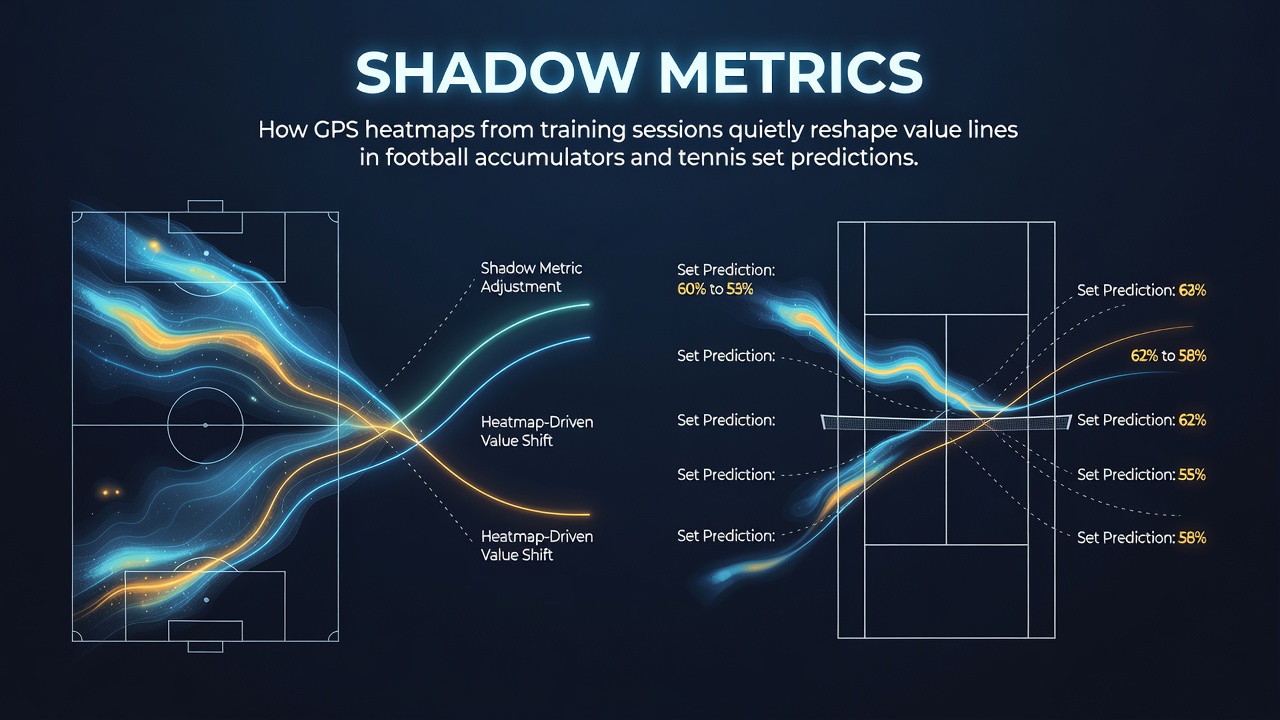
Shadow Metrics: How GPS Heatmaps from Training Sessions Quietly Reshape Value Lines in Football Accumulators and Tennis Set Predictions
Training sessions generate layers of data that rarely appear in official match reports yet increasingly influence how bookmakers adjust lines for football accumulators and tennis set predictions. GPS heatmaps capture repeated high-intensity zones, recovery patterns, and positional workloads, and analysts at several professional clubs feed these outputs directly into performance models that run alongside betting market updates. In July 2026 the volume of such datasets has grown because wearable manufacturers now supply real-time cloud exports to performance staff across major European leagues and ATP events, allowing value shifts to register hours before kickoff or first serve.
Training Data Flows Into Market Adjustments
Clubs equipped with GPS units record every sprint, deceleration, and directional change during closed-door sessions, then compare those figures against historical match-day benchmarks. When a central midfielder logs unusually high metreage in tight central zones during the final training block before a weekend fixture, modelers adjust expected work-rate projections for that player and recalculate the probability distribution for team totals. Accumulator builders who monitor these adjusted distributions notice line movements on over/under markets that align with the heatmap spikes rather than public injury news. Observers at betting analytics firms record similar patterns in tennis where players who concentrate serve-practice repetitions in one corner of the court during the week show measurable shifts in first-serve percentage models for upcoming sets.
Football Accumulators and Positional Workload Signals
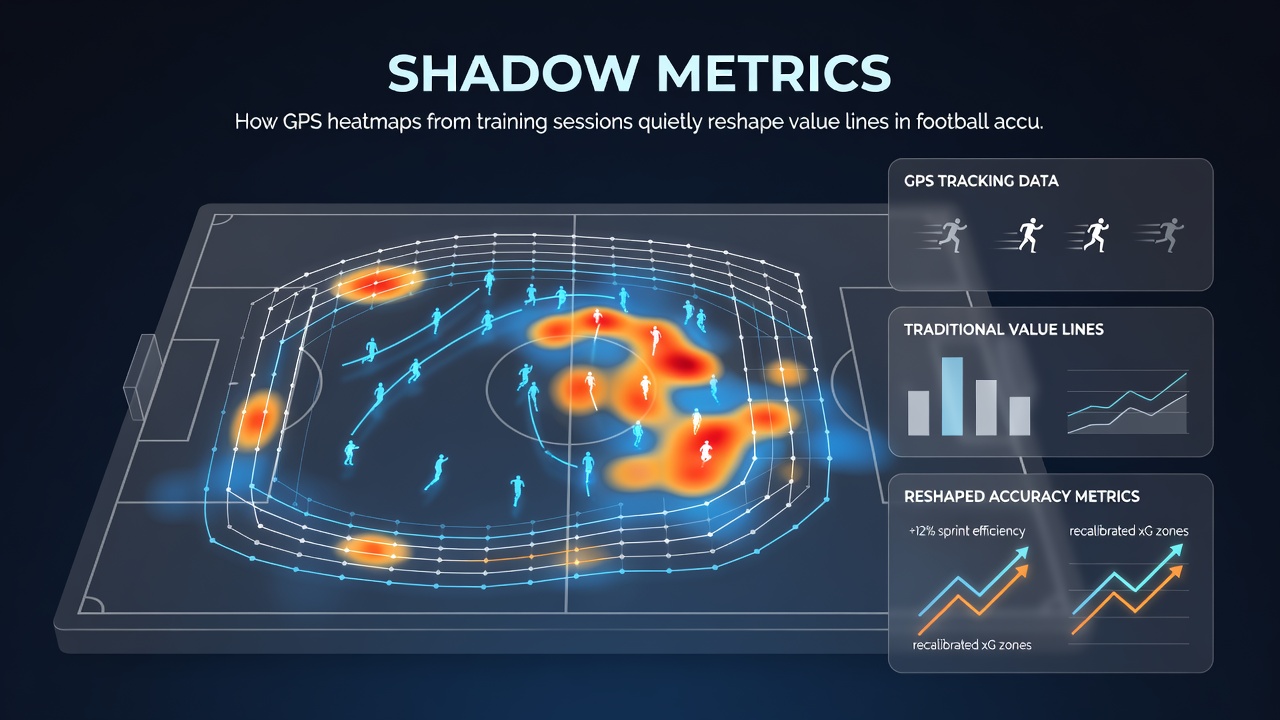
Premier League and Serie A performance departments now integrate GPS heatmaps into weekly risk assessments that also feed external data vendors. A full-back whose training heatmap shows repeated overlapping runs into the final third may see his expected goal involvement rise, prompting subtle downward adjustments on clean-sheet prices within multi-leg accumulators. Because these adjustments occur before lineups are released, early sharp action often lands on correlated legs that later appear in public odds. Data shared through industry reports from the Australian Institute of Sport indicates clubs that publish anonymised workload summaries experience earlier line corrections across Asian and European betting platforms. The same reports note that teams reducing high-speed running volume by fifteen percent in the forty-eight hours before a fixture record corresponding increases in draw probabilities that appear in accumulator pricing within the same window.
Tennis Set Predictions and Movement Efficiency Maps
On the ATP and WTA tours, coaches overlay GPS heatmaps from morning hit-outs onto serve-and-return charts to forecast set-long fatigue curves. A player whose training movement clusters tightly along the baseline in one session often records lower net points won in the deciding set of best-of-three matches, and several quantitative services now publish derived metrics that track these clusters. Bookmakers who subscribe to the same third-party feeds adjust set-total lines accordingly, creating value pockets on over sets when the heatmap suggests sustained baseline coverage rather than aggressive forward pressure. Figures released by the International Tennis Federation performance research group show that players logging more than four kilometres of lateral movement in a single practice day see their second-set hold percentage drop by an average of three points compared with lower-workload weeks, a margin that surfaces in live odds during early tournament rounds.
Cross-Sport Data Sharing and Line Stability
Specialised analytics platforms now aggregate anonymised GPS exports from both football and tennis into unified dashboards used by professional syndicates. When a football squad reduces high-intensity distance in training while a tennis player increases lateral metres on the same day, correlated adjustments appear across unrelated markets because the underlying workload models share common fatigue algorithms. European regulatory filings from sports technology oversight bodies record rising numbers of data-licensing agreements between performance software providers and odds compilers, confirming that shadow metrics travel across sports faster than public statistics. The result is that accumulator constructors who ignore training heatmaps face lines that have already incorporated the latest positional and movement signals.
Implementation Timeline Through Mid-2026
By July 2026 most top-division football clubs and leading tennis academies transmit GPS files to central servers within thirty minutes of session completion. Automated scripts then compare current heatmaps against rolling thirty-day averages and flag deviations above two standard deviations. These flags trigger probability recalculations that vendors push to subscribing bookmakers, producing measurable line movement within ninety minutes. Historical datasets from the same period show that accumulator legs involving teams or players with flagged high-workload heatmaps settle at lower margins than legs without such signals, a pattern repeated across both football goal totals and tennis set overs.
Conclusion
GPS heatmaps from training sessions supply a continuous stream of positional and intensity data that performance analysts convert into probability adjustments used by betting markets. Football accumulator constructors and tennis set predictors who track these shadow metrics observe line shifts that precede public announcements, while those who rely solely on match statistics encounter pricing that already reflects the latest training outputs. The integration of these datasets across sports continues to tighten the window between data generation and market response throughout the 2026 season.